
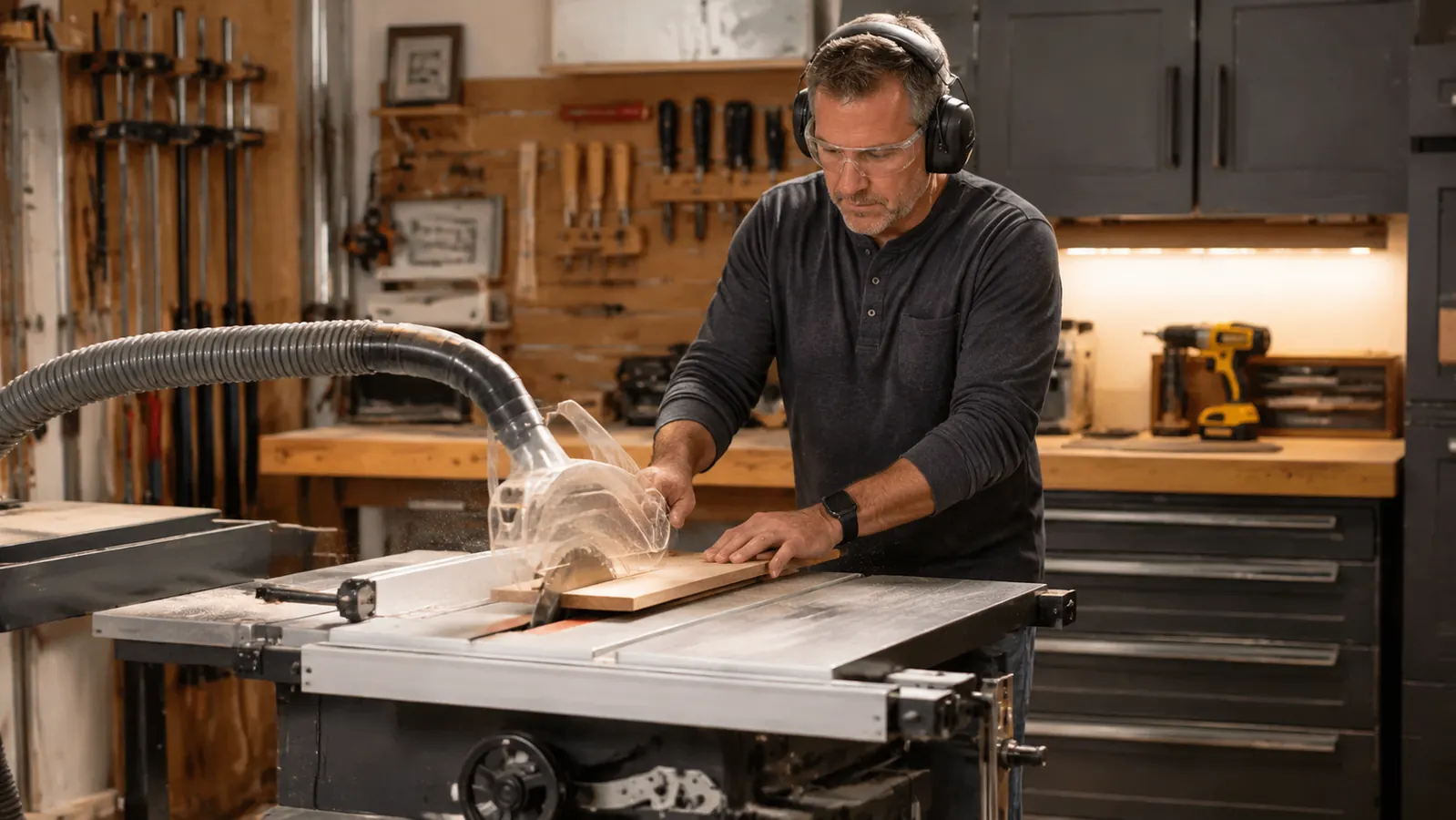
I ran my garage shop for almost eight years without a dedicated dust collector. I had a shop vac, a broom, and a lot of optimism. I thought serious dust collection was for cabinet shops and professional outfits, not a hobbyist with a single-car garage and weekends to spare. I was wrong, and it cost me bad finishes, a respiratory infection, and a set of router bits I burned up because fine dust was packing the flutes. If you are on the fence, here are ten things that changed for me the month I hooked up a real dust collector.
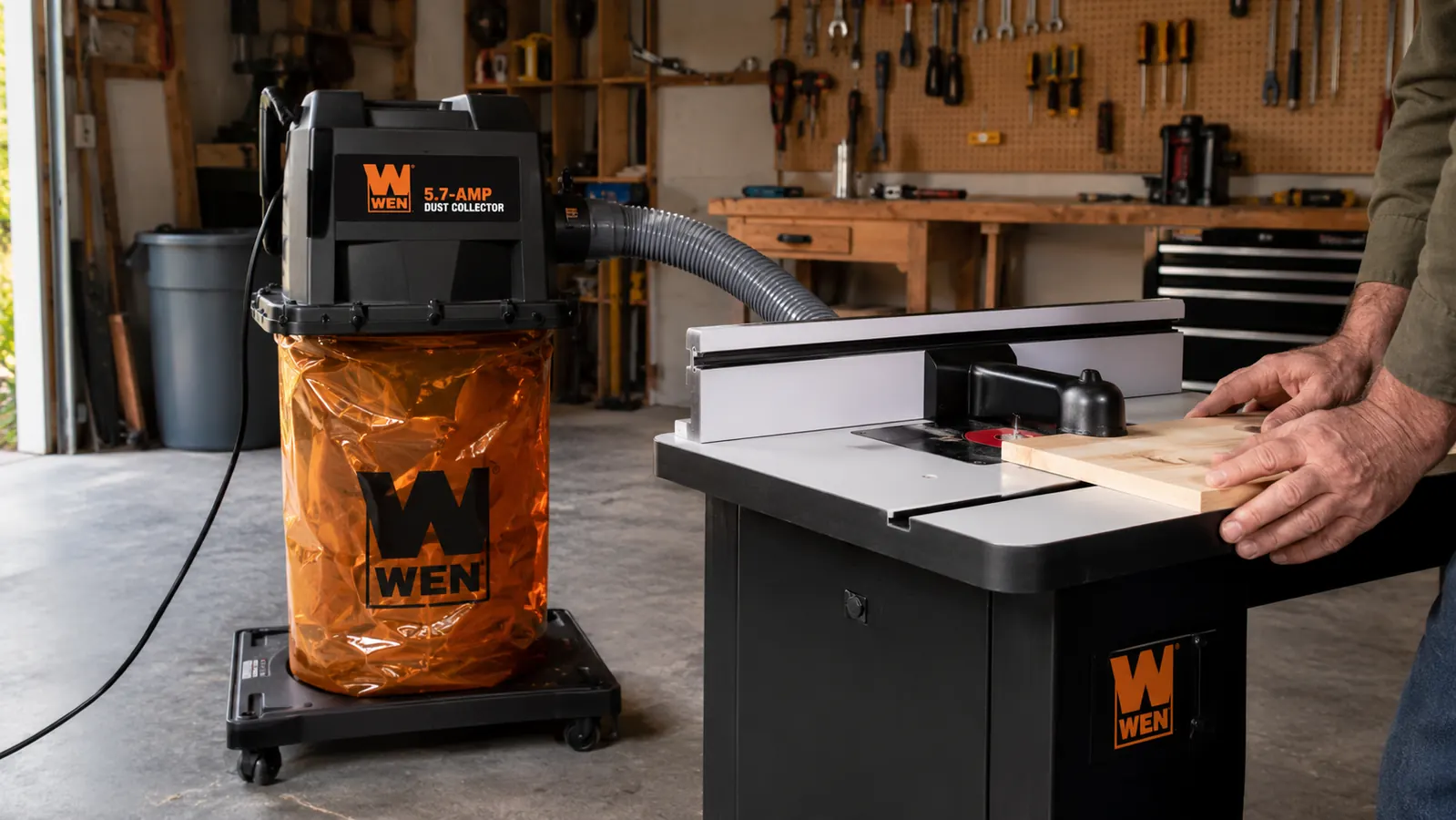
The collector I started with is the WEN 5.7-Amp unit with a 12-gallon bag and a 4-inch hose. It is not a Festool. It costs under $130. But it moves enough air to keep my table saw, router table, and sander clean between passes, and it rolls anywhere on its built-in mobile base. If you want the full breakdown, my 18-month review of the WEN dust collector covers everything I found. For now, here are the ten reasons dust collection made me noticeably better at woodworking.
Still sweeping sawdust off your workbench before every cut? There is a cleaner way.
The WEN 5.7-Amp dust collector runs on a standard 120V outlet, fits in a corner, and hooks up to any 4-inch port in about two minutes. Over 650 woodworkers use it as their daily shop collector.
Amazon Check Today's Price on Amazon →You Can Actually See Your Layout Lines
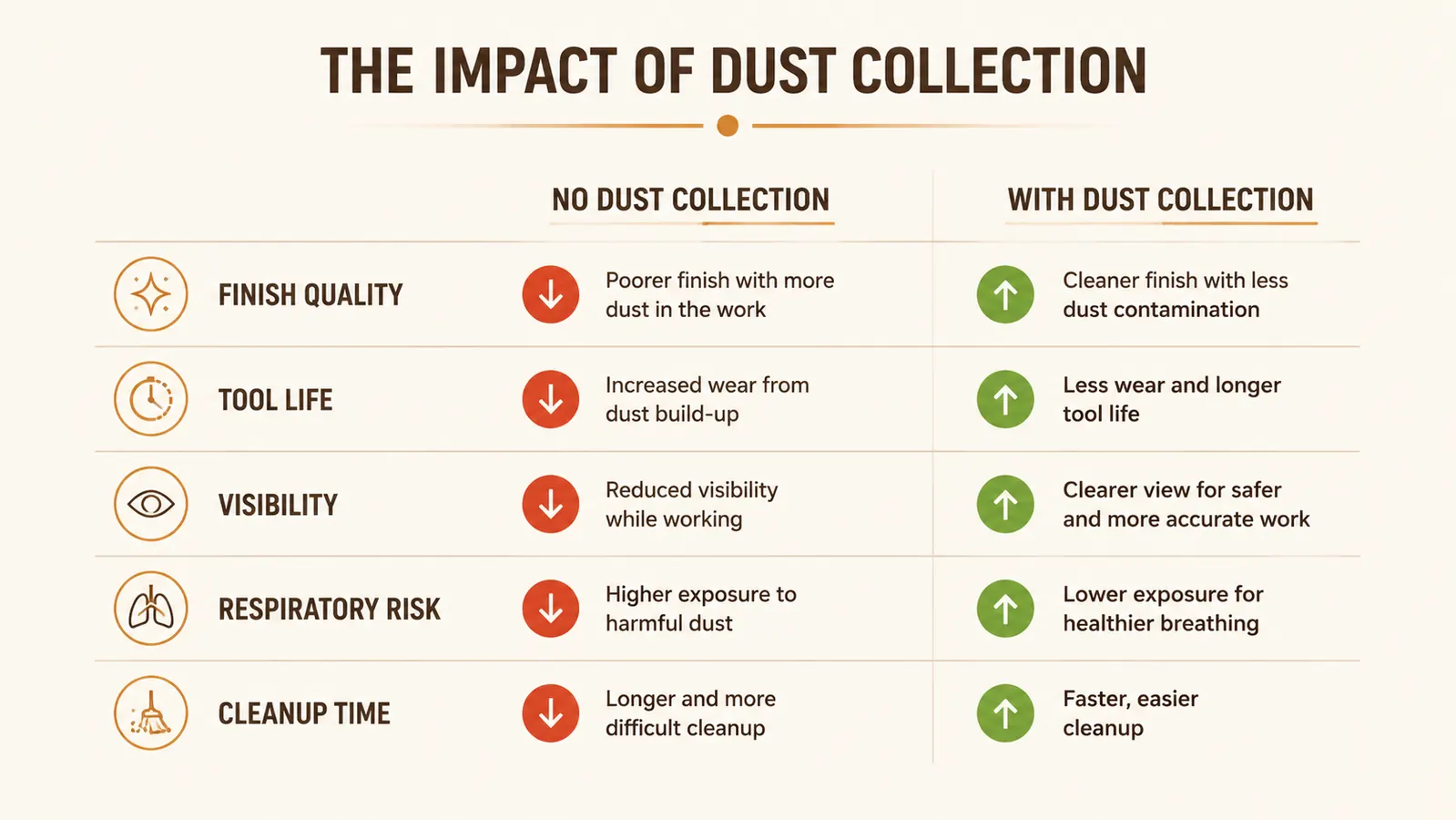
Pencil lines, marking gauge scratches, and chalk marks disappear under a skim of fine sanding dust faster than you think. Before I had real dust collection, I was constantly stopping to wipe surfaces by hand, and I still missed layout lines under the residue. With the WEN pulling dust at the source, my reference marks stay visible through the whole cut sequence. It sounds small until you realize how many of your measuring errors come down to a dusty board, not a bad eye.
Your Finishes Stop Looking Gritty
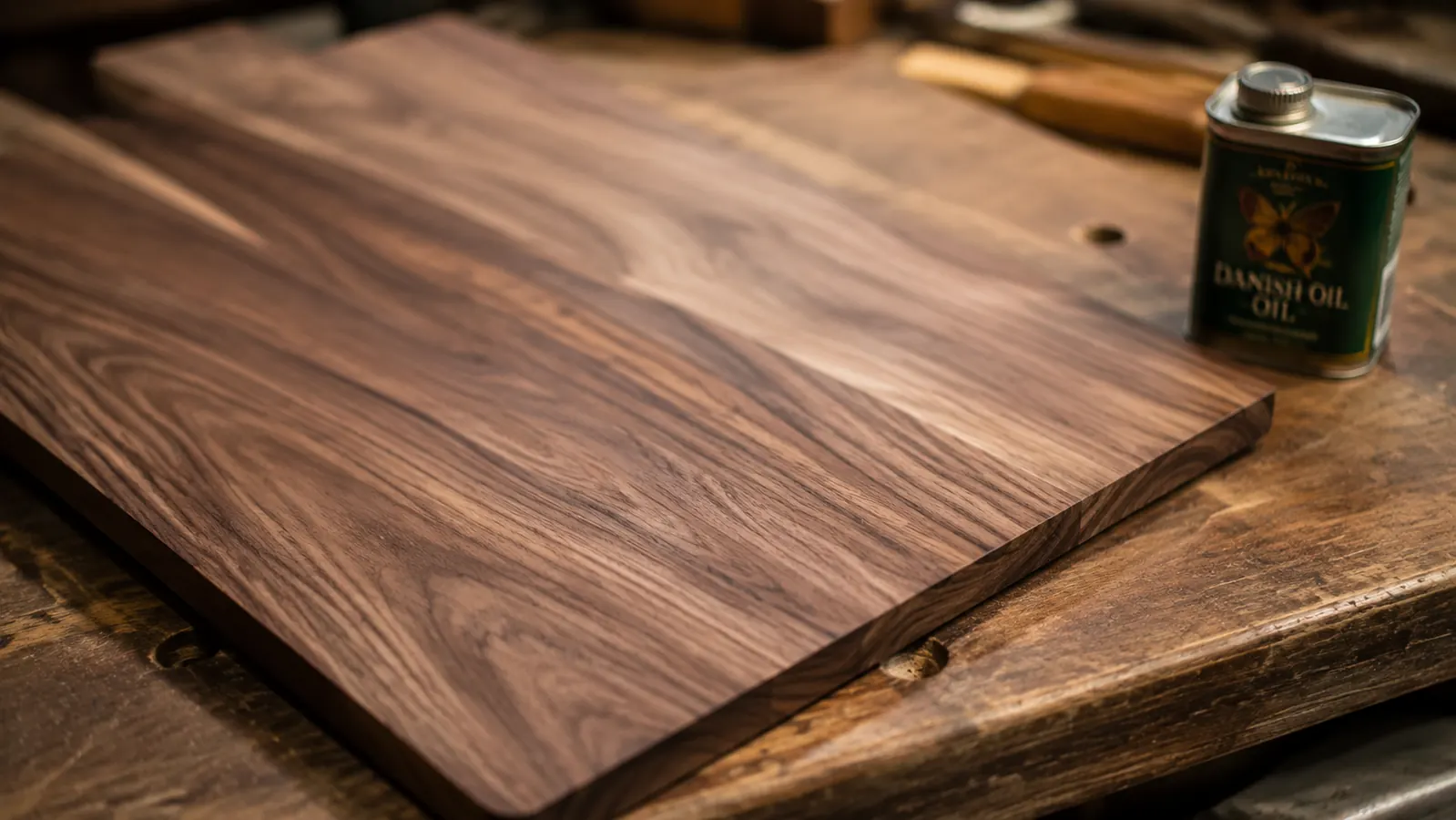
Airborne sanding dust settles on freshly wiped surfaces in minutes. I used to wonder why my oil and varnish coats always had a slight grit texture even after a careful wipe-down. The answer was the cloud of fine particles hanging in my shop air, landing on the workpiece while I applied finish. A dust collector reduces the total particulate in the air dramatically. The first coat I laid down after hooking up the WEN dried noticeably smoother than anything I had done in years.
Your Router Bits and Saw Blades Last Longer
Sawdust packing into bit flutes and blade gullets is a heat problem. The chip has nowhere to go, so it rubs against the cutting edge and generates friction that dulls the tool faster than the wood itself ever would. I started tracking how many linear feet I could rip per blade before it needed sharpening. After connecting my table saw to the WEN via a 4-inch port and a short flex hose, I got roughly 30 percent more cuts before my blade started burning the cut line on hard maple. That alone paid for the collector inside a year.
You Stop Spending 20 Minutes Cleaning Before Every Session
Before real dust collection, my startup ritual was broom, shop vac hose, compressed air gun, wipe-down. By the time I finished cleaning up from the last session I had maybe 90 minutes of actual shop time left on a Saturday morning. A properly connected dust collector drops that cleanup to almost nothing. The dust goes into the bag at the machine. The floor stays clear. I roll the WEN back to its corner and I am done. The mobile base on this unit is one of its genuinely good features; it rolls on four casters and parks tight against the wall.
Your Lungs Are Not a Dust Filter Anymore
Fine wood dust is a Class 1 carcinogen when you are talking about certain species, and even with common softwoods and hardwoods, chronic low-level exposure accumulates. I am not trying to scare anyone, but I had a respiratory infection in year six of my shop life that my doctor attributed directly to the amount of particulate I was inhaling. Hobbyist woodworkers spend hours in their shops over decades. A dust collector pulling chips at the source is the single biggest respiratory protection upgrade you can make, short of an air filtration ceiling unit. The WEN is not a replacement for a respirator during heavy sanding, but it removes the baseline dust load that accumulates session after session.
Your Sanding Abrasives Cut Longer Before Glazing
Sanding pads and discs glaze over when fine dust packs the abrasive. You end up pressing harder, which generates heat, which glazes the disk faster, which means you swap grits constantly. With the WEN connected to my random orbit sander via a reducer and the sander's built-in port, the abrasive stays open three or four times longer per sheet. I tracked this across a weekend project in cherry: five sheets of 120-grit to finish a table top without a collector, two sheets to do the same job with it connected. Abrasive costs add up.
You Catch Fire Hazards Before They Start
Sawdust accumulation is a genuine fire risk, especially near motor housings. A pile of fine shavings near a running motor or against a shop light fixture is not theoretical; it is a documented cause of shop fires. When your collector is pulling chips at the source, you are not letting that material accumulate in corners, in your table saw cabinet, or on the surface of your workbench near heat. It also means if something goes wrong with a tool, you are more likely to notice it early because the shop stays visually clear and smells clean rather than masking problems under layers of accumulated material.
You Hear Problems With Your Tools More Clearly
A shop vac running next to your saw is loud. It masks tonal changes in your blade, bearing sounds in your motor, and the specific pitch shift that tells an experienced woodworker the blade is starting to bind. The WEN dust collector runs at 70 dB at the unit, quieter than most shop vacs by a meaningful margin. You can run it during a rip cut and still hear the saw clearly enough to respond to the wood. That feedback loop matters. I caught a fence misalignment once by ear because the blade tone changed slightly on a long rip, and I was able to back off and reset before the board kicked back.
Your Shop Looks Like a Real Shop
This one sounds vain, but it is not. When your shop is clean, you work better in it. You reach for tools without second-guessing whether the floor is slippery. You set your workpiece down on the bench without wiping it first. You let other people in without apologizing for the mess. More importantly, you find problems faster because there is nothing hiding them. A well-kept shop is a safe shop, and a safe shop produces better work because you are thinking about the project instead of managing the environment. A dust collector is infrastructure. It is the difference between working in your shop and working around your shop.
Getting Set Up Is Much Simpler Than You Think
The reason most hobby woodworkers delay dust collection is that they picture a fixed overhead duct system with blast gates and 6-inch mains running wall to wall. That is a real setup, and it is great if you have the space and budget. But starting with a portable collector like the WEN is a two-minute job per tool. Plug in the unit, connect the 4-inch hose to your saw port, flip the switch. Roll it to the router table, swap the hose. My full guide on setting up dust collection in a home woodshop covers single-tool hookups through basic duct planning if you want to go further. But the barrier to entry is genuinely low. The WEN ships with the hose included. You do not need to buy anything else to start collecting dust at your first machine today.
What I Would Skip
If you are shopping for your first collector, skip anything marketed as a "dust collector" that only carries a 2.5-inch hose. Those are glorified shop vacs with a bag and they cannot move the volume of air a table saw demands. Also skip collectors with no mobile base if you have a single-bay shop where you move tools around. The WEN is not perfect: the bag fabric lets a small amount of very fine particle through and the hose clamps could be stiffer. But at this price point and for the home shop use case, the tradeoffs are minor compared to what you gain.
The first coat I laid down after hooking up the WEN dried smoother than anything I had done in years. Turns out the problem was airborne dust, not my technique.
A $126 investment that pays off the first weekend you use it.
The WEN 5.7-Amp dust collector has a 4.1-star rating across 654 reviews from home woodworkers. It ships with the 4-inch hose and rolls on a mobile base. No special wiring, no permanent install, no excuses to keep sweeping.
Amazon Check Today's Price on Amazon →