
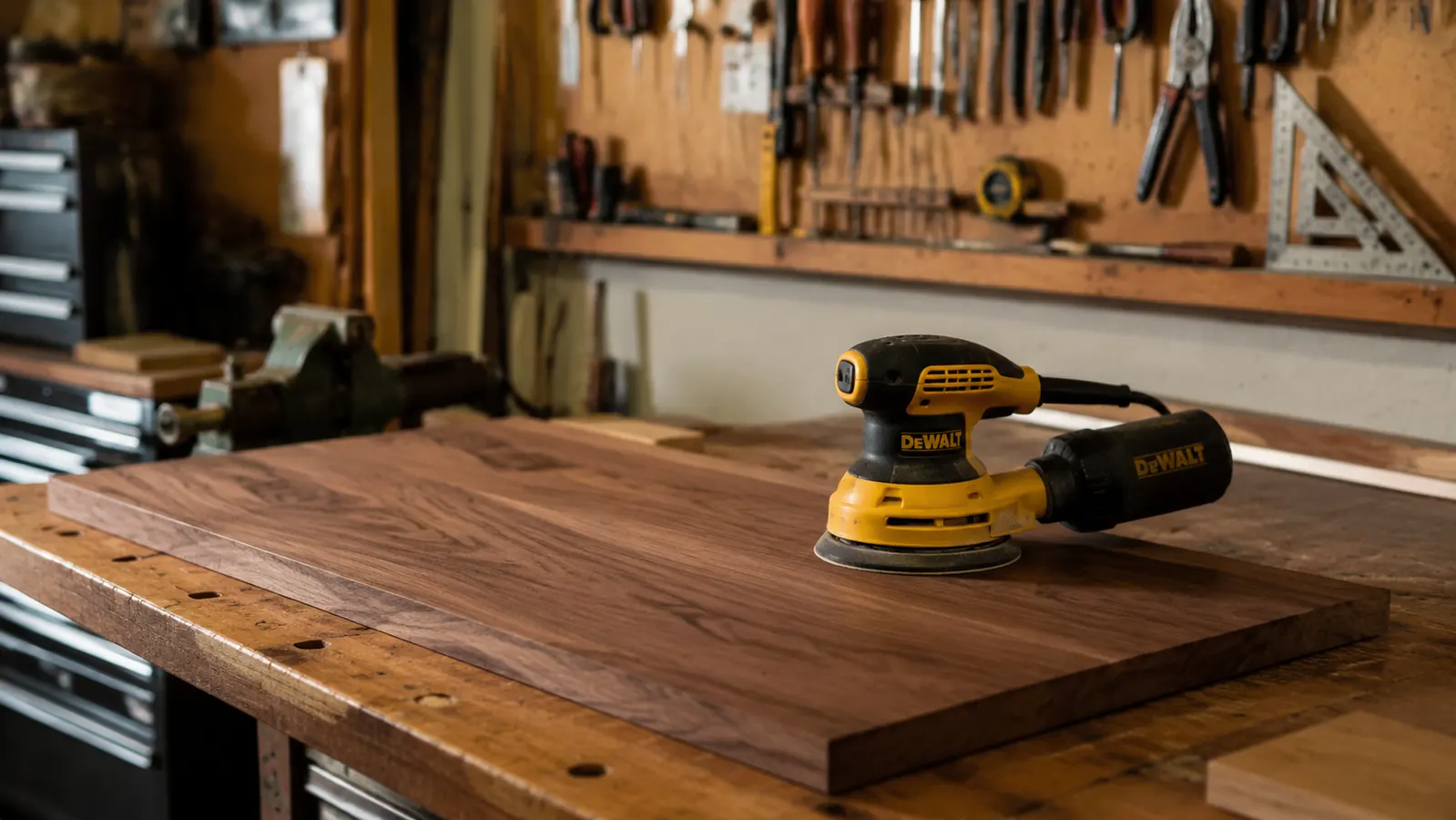
Two winters ago I was gluing up a walnut coffee table top, six panels, about 22 inches wide. I had my corded sander sitting on the bench beside me. The cord caught the edge of a clamp handle, knocked my glue-up brush into the wet joint, and I spent 20 minutes cleaning up a mess that shouldn't have happened. That was the moment I ordered the DeWalt DCW210B 20V MAX cordless random orbit sander. I was already on the 20V MAX platform for my router and a drill. Dropping the cord from the sander felt like a no-brainer.
That was two years and a lot of board-feet ago. I've run this sander on hard maple, white oak, walnut, pine, and a few sheets of veneered plywood where you really have to pay attention. It has lived on my bench through a full kitchen cabinet build, four sets of floating shelves, a workbench top, and more furniture pieces than I care to count. Here's everything I've learned, including the parts that disappointed me.
The Quick Verdict
A genuinely capable cordless random orbit sander that earns its place on a real woodworker's bench, not just a weekend project shelf.
Amazon Check Today's Price →Still chasing the cord around your workpiece? The DCW210B runs on the same 20V MAX battery as your DeWalt drill.
Rated 4.8 stars across nearly 14,000 reviews. Tool only, so if you're already on the platform, you're ready to go.
Amazon Check Today's Price on Amazon →How I've Used It
My shop is a one-car garage in the Twin Cities. Unheated most of the winter, which means I'm often working at 40 degrees or colder. I mention that because battery tools behave differently in the cold. Lithium-ion doesn't love sub-freezing temps, but by the time I've got my heat gun warming up the shop and my materials acclimating, the battery is fine at working temperature.
My typical use pattern is grab-and-go between cuts. I'll rip a board at the table saw, take it to the bench, knock down the mill marks with 80 grit, then go back for the next board. I don't sit and sand one panel for 45 minutes straight. That matters for battery life discussion. In my use, a 2Ah battery gets me through a session. A 5Ah gives me most of a full shop day on one charge. I usually run a 3Ah because it keeps the tool light.
One thing worth saying upfront: the DCW210B ships tool-only. There is no battery or charger in the box. If you're new to the 20V MAX platform, factor that into your budget. If you already own DeWalt drills, circular saws, or a router on this platform, you're just dropping a new tool into the system.
The Motor and Pad Speed
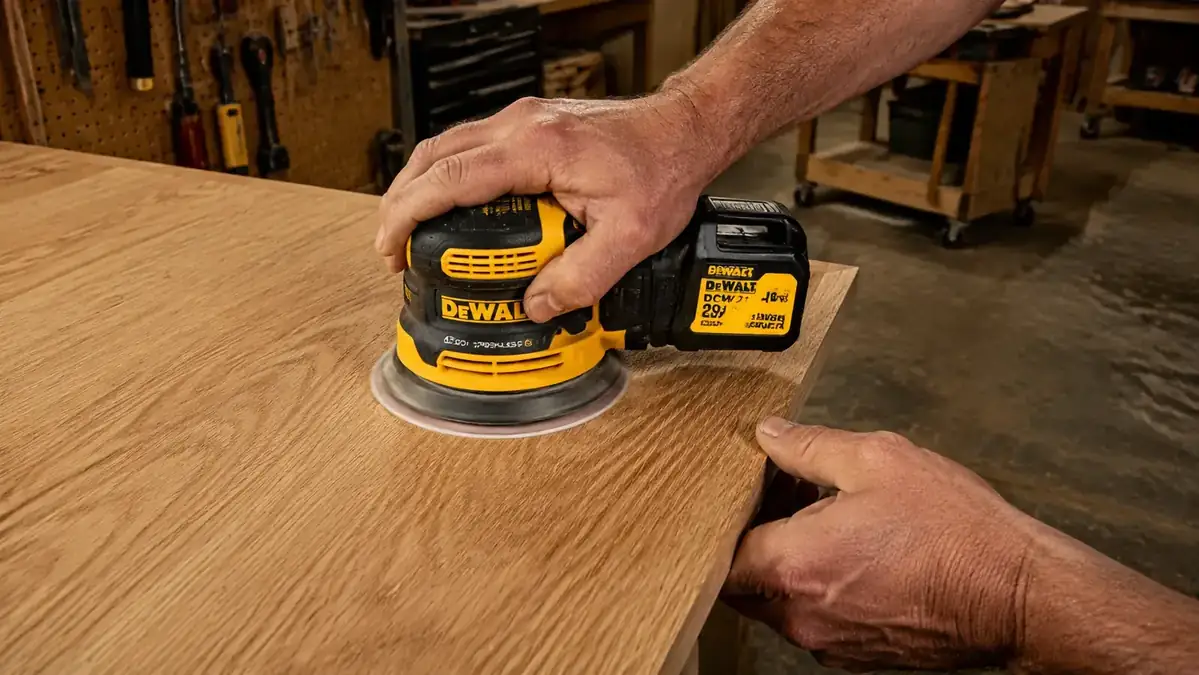
The DCW210B runs a brushless motor. That's not marketing fluff in a sander. Brushless motors run cooler, last longer, and deliver more consistent speed under load. When I'm pressing into a panel to knock down a high spot, I want the pad to keep spinning at pace, not bog down and leave a swirl trail. This sander does that well. The variable speed dial goes from 8,000 to 12,000 OPM, and I use that range more than I expected.
On veneer, I drop to the low end of the dial. I learned this the hard way on a cherry sheet good about 18 months ago. I was moving through a grit progression and running the sander at full speed, and I burned through the veneer on a corner. Not enough to ruin the piece, but close. Now anything with veneer or exotic thin faces, I run slow and keep the sander moving constantly. The variable dial is what makes that possible.
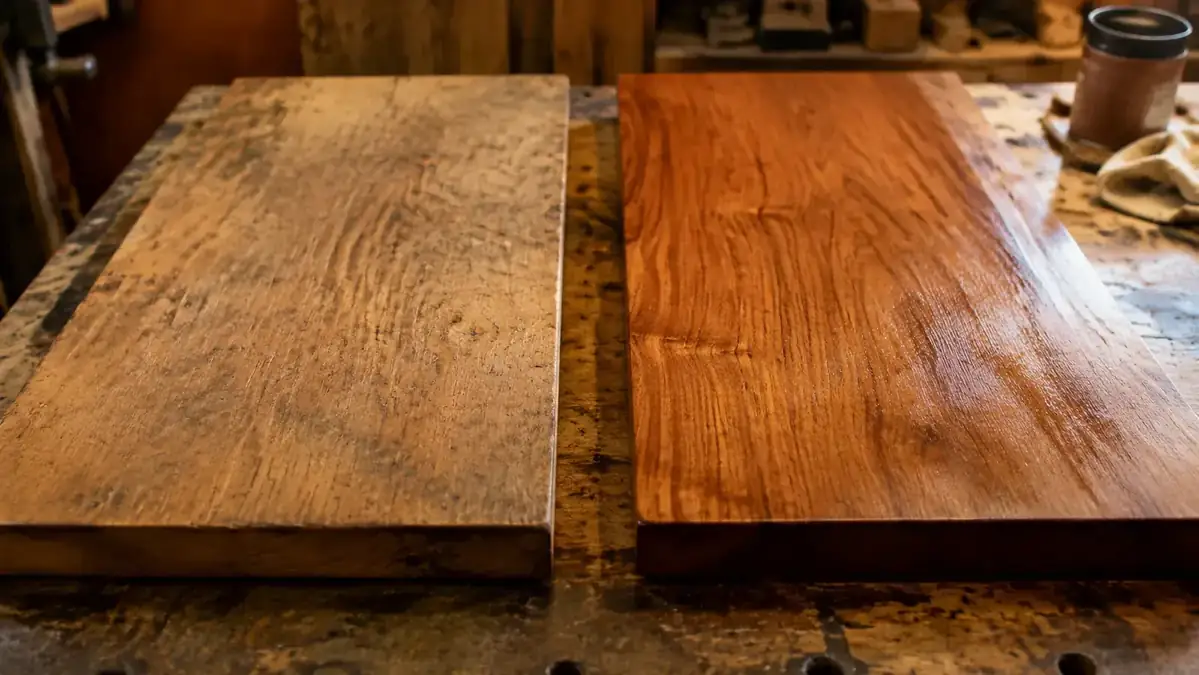
For solid hardwood, I run it wide open. On the walnut tabletop that started this whole journey, full speed from 80 through 180 grit, then dropped to mid-dial for the final 220 pass before oil. The surface came out clean. No detectable swirl pattern when I held a work light at a low angle, which is the real test.
Grit Progression and Real Surface Results
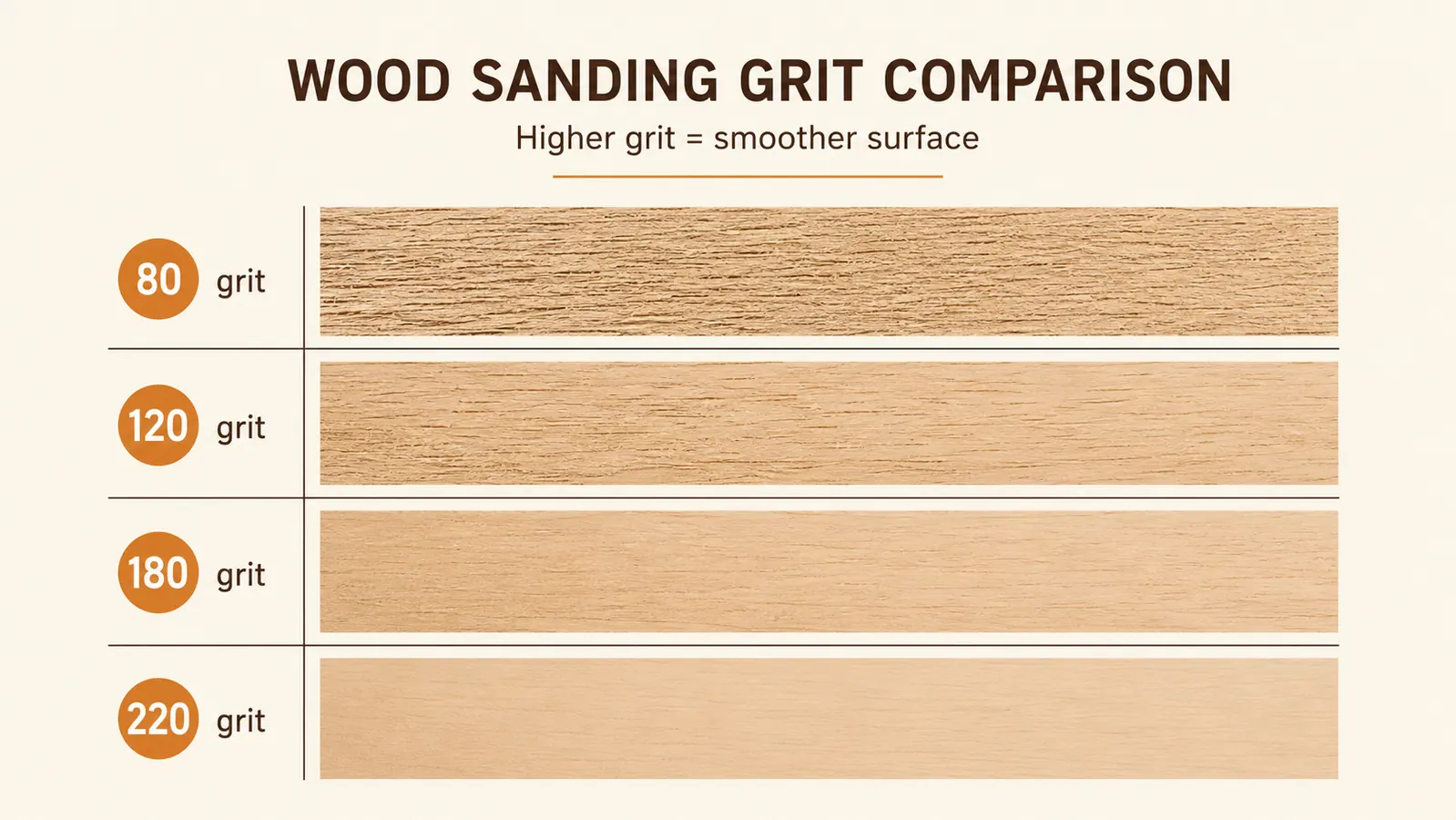
My standard grit sequence for furniture-grade hardwood is 80, 120, 150, 180, and 220 before finish. Some guys skip grits. I don't. Each grit removes the scratches from the one before it, and if you try to jump from 80 to 220 you'll have sub-surface scratches that show up the moment you apply an oil or water-based finish. The DCW210B uses standard 5-inch hook-and-loop discs, which means you can buy whatever brand you trust and it'll work. I've been using Diablo and Mirka discs without any issue.
The 5/16-inch random orbit action on this sander is enough to prevent the swirl pattern you get from a straight orbital. I've checked my work under raking light on every significant piece and I have not had swirl problems on solid wood when I'm following the grit sequence properly. The one exception was a piece of end grain where I stayed in one spot too long at 80 grit and left a slight circular pattern. That's operator error, not tool error.
For getting a truly glass-smooth surface before a film finish, I add a hand-sand at 220 with the grain as my final step before wiping on any finish coat. The random orbit sander gets you 90 percent of the way there. That last 10 percent on a fine piece, especially one going under lacquer or poly, benefits from a hand-sand pass to align the final scratches with the grain.
I held a work light at a low angle after the final 220 pass. No swirl. That's the test that matters.
Dust Collection: What Works and What Doesn't
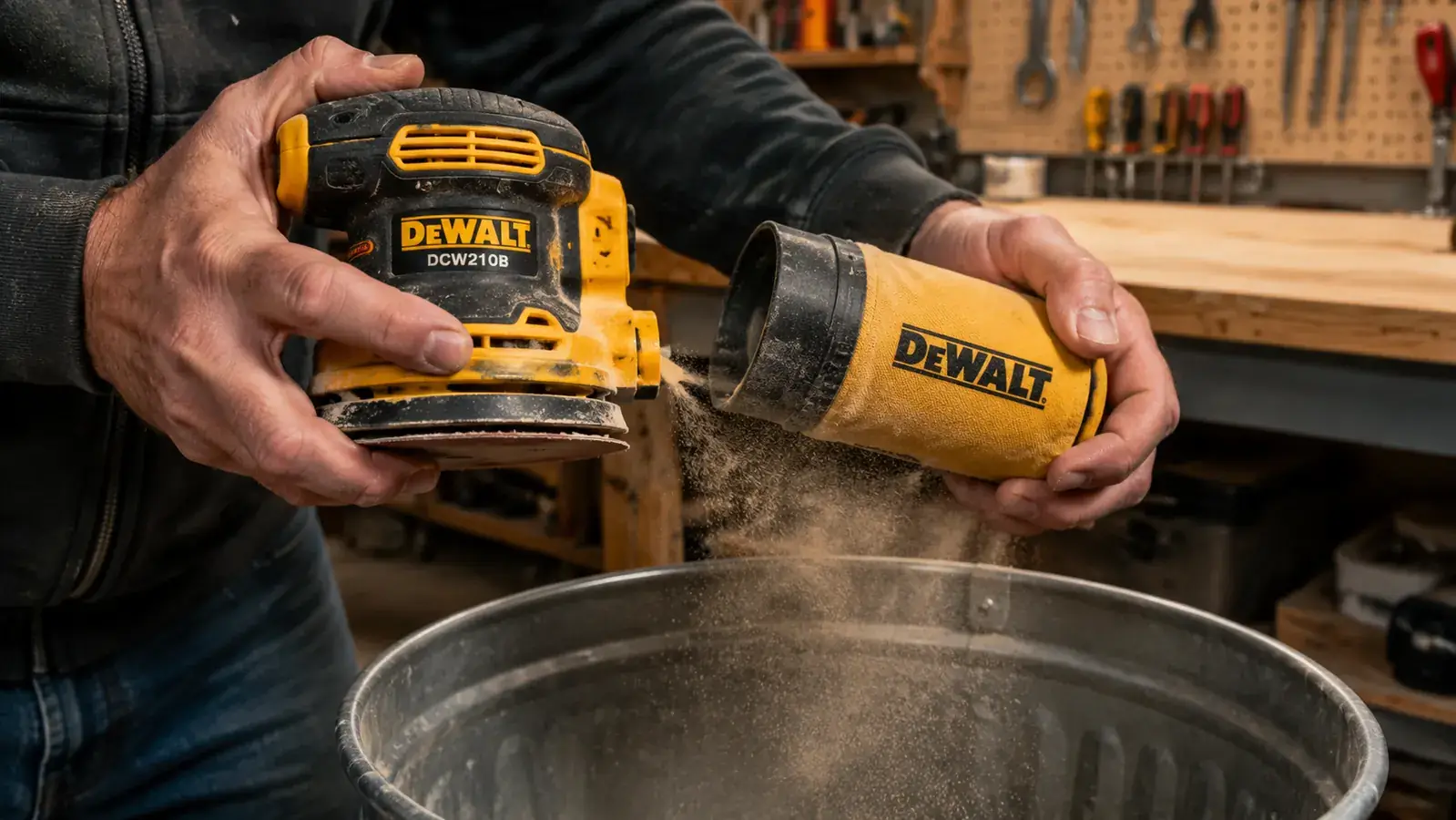
The DCW210B has an onboard dust bag and a dust port for hooking up a vacuum or dust collector. I've run it both ways. The onboard bag catches a reasonable amount of fine dust, but it fills up fast and the fine particles you're most worried about breathing still get into the air. For anything more than a 10-minute touch-up, I hook it to my shop vac via the dust port.
The dust port accepts a standard adapter. The connection is a simple friction fit, not locking. It has stayed on through everything I've done, but I've heard from a few other woodworkers that on rough shop floors or in awkward positions the hose can pull free. I've had no real complaints there. The suction from my shop vac does noticeably improve the air quality around the tool. On a long finishing-prep session, that matters.
One honest criticism: the dust bag design is a little fiddly to empty. You're supposed to pinch it closed before removing it, but in practice, if the bag is full, you're going to puff some fine dust back into your face. I keep a dust mask on when I empty it. That's a small annoyance, not a dealbreaker, but it's real.
Ergonomics and Fatigue
Without a battery, the DCW210B weighs 2.4 pounds. With a 3Ah battery installed, it's around 3.5 pounds in my hand. I've had corded sanders in that same range, so the weight is not a penalty for going cordless. Over a long session, any sander fatigues your hand. The grip on this tool is decent. It's not the best ergonomic shape I've ever held, but it's not one of those designs that gives you a cramp in 15 minutes either.
The on/off switch is a slide trigger on the side, which I prefer over a push button because I can feel it without looking. The variable speed dial is a separate knob on top. I set the dial at the start of each session and rarely touch it mid-session, which means the placement doesn't bother me. If you're the type who adjusts speed constantly, it might feel awkward since you have to move your grip to reach it.
Alternatives I Considered
Before settling on the DCW210B, I looked hard at the Bosch ROS20VSK. The Bosch is a corded tool with a strong reputation, and if you're not already on a DeWalt battery platform, it's worth a close look. The full DCW210B vs Bosch ROS20VSK comparison walks through how they stack up side by side. The short version: the Bosch has slightly better dust collection design, but the cordless freedom of the DCW210B wins out in a shop like mine where I'm moving the sander between the bench and the assembly table constantly.
I also looked at the Ryobi and Milwaukee cordless options. Ryobi's budget model didn't feel like it had enough motor for hardwood work. Milwaukee is a great tool but I wasn't going to start a second battery platform. If you're on Milwaukee's M18 system, their sander is the smarter buy. If you're on DeWalt 20V MAX, the DCW210B is the obvious pick.
What I Liked
- Brushless motor delivers consistent pad speed under load, no bogging on hardwood
- Variable speed dial (8,000 to 12,000 OPM) gives real control for veneer and delicate faces
- No cord means free movement around the bench, especially during complex glue-ups
- Standard 5-inch hook-and-loop discs, use any brand you like
- Shares the 20V MAX battery platform with DeWalt drills, routers, and saws
- Comfortable weight with a 3Ah battery installed, no meaningful fatigue penalty vs. corded
Where It Falls Short
- Ships tool-only, no battery or charger included, budget accordingly
- Dust bag is fiddly to empty cleanly without puffing fine dust back toward your face
- Dust port is friction-fit, not locking, hose can pull free in awkward positions
- Variable speed dial requires you to break your grip to adjust mid-session
Who This Is For
This sander is built for the hobbyist who's already on the DeWalt 20V MAX platform and wants to eliminate one more cord from the shop. If you're setting up a shop from scratch and don't own any DeWalt batteries, the value calculation changes because you're buying into a platform, not just a sander. In that case, the corded Bosch is worth comparing. But if you've got two or three DeWalt batteries floating around the shop already, this tool just slots in. The performance is genuinely solid. I've put furniture-quality surfaces on hardwood with it, and I've done it consistently over two years.
It's also a good fit for the woodworker who works in a smaller garage shop where cord management is a daily annoyance. Benches close together, clamps on every surface, a dust collector hose already taking up floor space. Dropping one cord from the equation makes a real difference in how you move around a piece.
Who Should Skip It
If you're a production woodworker running a sander for four or six hours a day, a corded tool is the right answer. Battery management at that duty cycle gets expensive and inconvenient. The DCW210B is a hobbyist tool. It's sized and priced for the guy who spends four to eight hours in the shop on a good weekend, not someone running production runs.
Also, if you're on a tight budget and don't already own 20V MAX batteries, this tool's current price plus the cost of a battery and charger starter kit puts you well above what a good corded sander costs. Do the honest math before you buy.
Two years in, I'd buy it again. If you're on the 20V MAX platform, it's a straightforward call.
Nearly 14,000 ratings averaging 4.8 stars. Check today's price and see if it's in stock before you decide.
Amazon Check Today's Price on Amazon →