
For the better part of twenty years, I would look at a router and see a tool that was just waiting to ruin good wood. Chipout on end grain. Burn marks from hesitating mid-pass. Tear-out on figured maple that made me want to throw the whole project into the fireplace. I knew guys who could freehand a clean round-over without thinking twice. I was not one of them. So I worked around it. I used a chamfer bit with a fence so I had something to register against. I hand-sanded edges until my arms ached. I avoided profile work on anything I actually cared about.
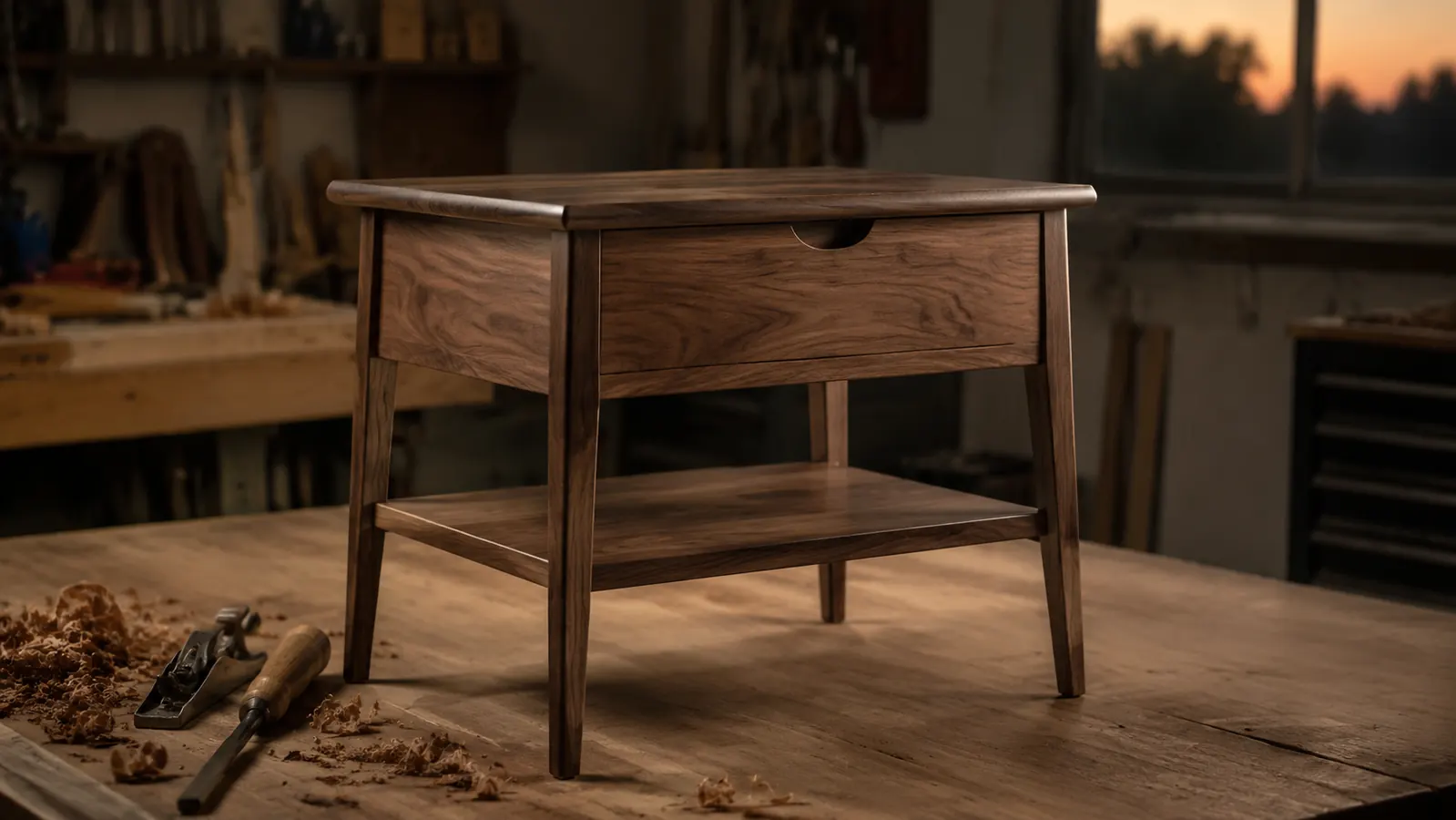
Then last spring I was building a small walnut side table for our living room. My wife had been patient about my sawdust problem for a long time, and I wanted this piece to be right. The legs were tapered on the table saw. The mortise-and-tenon joints came out solid. And then I needed to put a 3/8-inch round-over on every top edge. Four sides plus the corners. On walnut. I stood in the shop for about ten minutes just staring at my old corded router and thinking, okay, this is the part where something goes wrong.
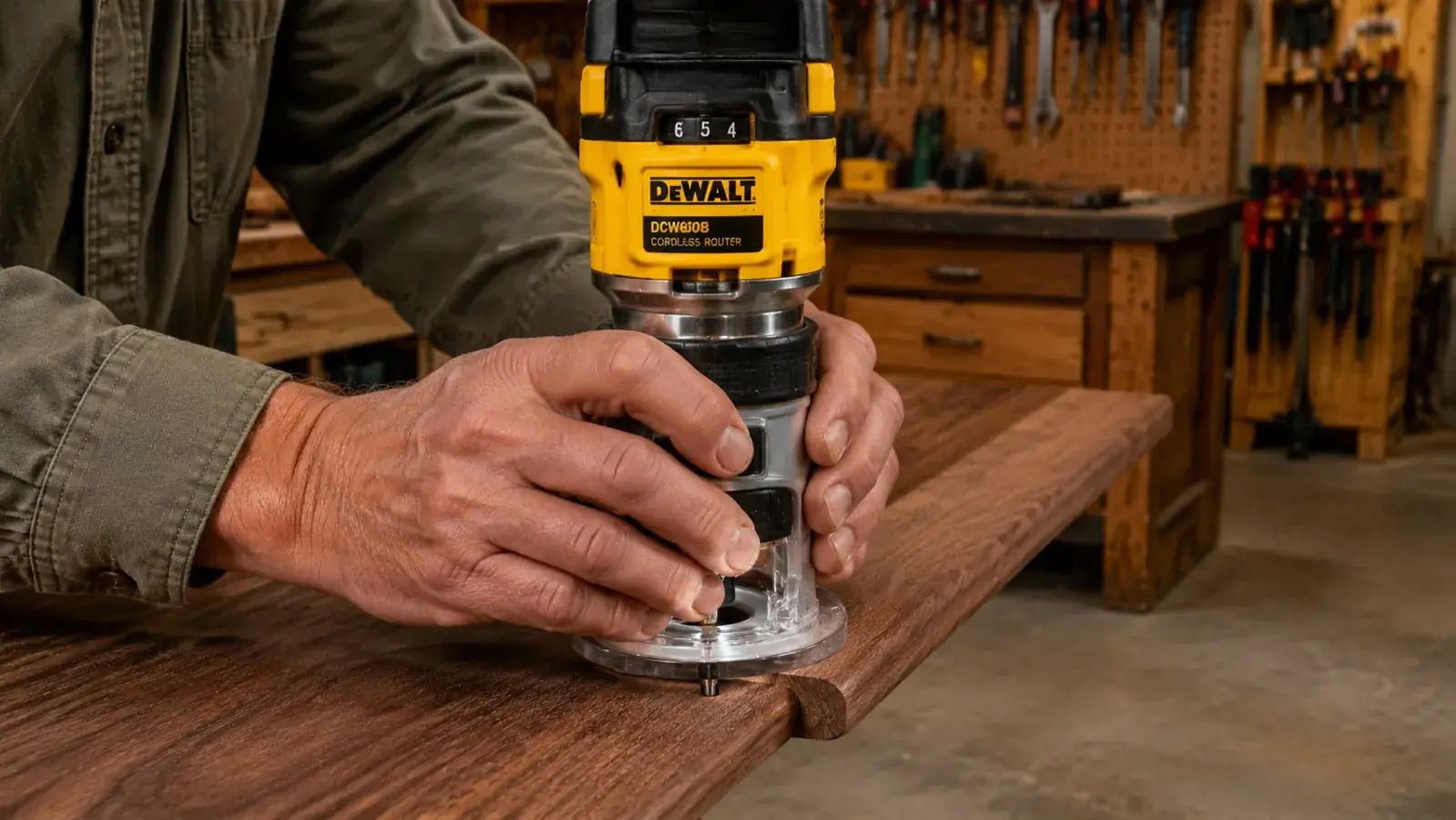
A neighbor of mine, Tom Weir, had picked up the DeWalt DCW600B cordless router a few months earlier and kept mentioning it. Not in a gear-head way. Just matter-of-factly, the way you mention a tool that stopped giving you trouble. He lent it to me that afternoon.
I set the depth, squeezed the trigger, and guided it along the first long edge. It did exactly what I asked it to do. No drama. No burning. No tear-out.
The first thing I noticed was the weight. My old corded router was close to nine pounds with the base. The DCW600B with a battery runs about six and a half pounds, but more importantly it sits lower and balances differently. The motor is brushless, which means the torque delivery is smooth rather than lurching when you start a cut. That matters more than I expected. When a router catches on startup it pulls your line, and on something like a walnut top with the grain running slightly diagonal, that is how you get tear-out in the first three inches of a pass.
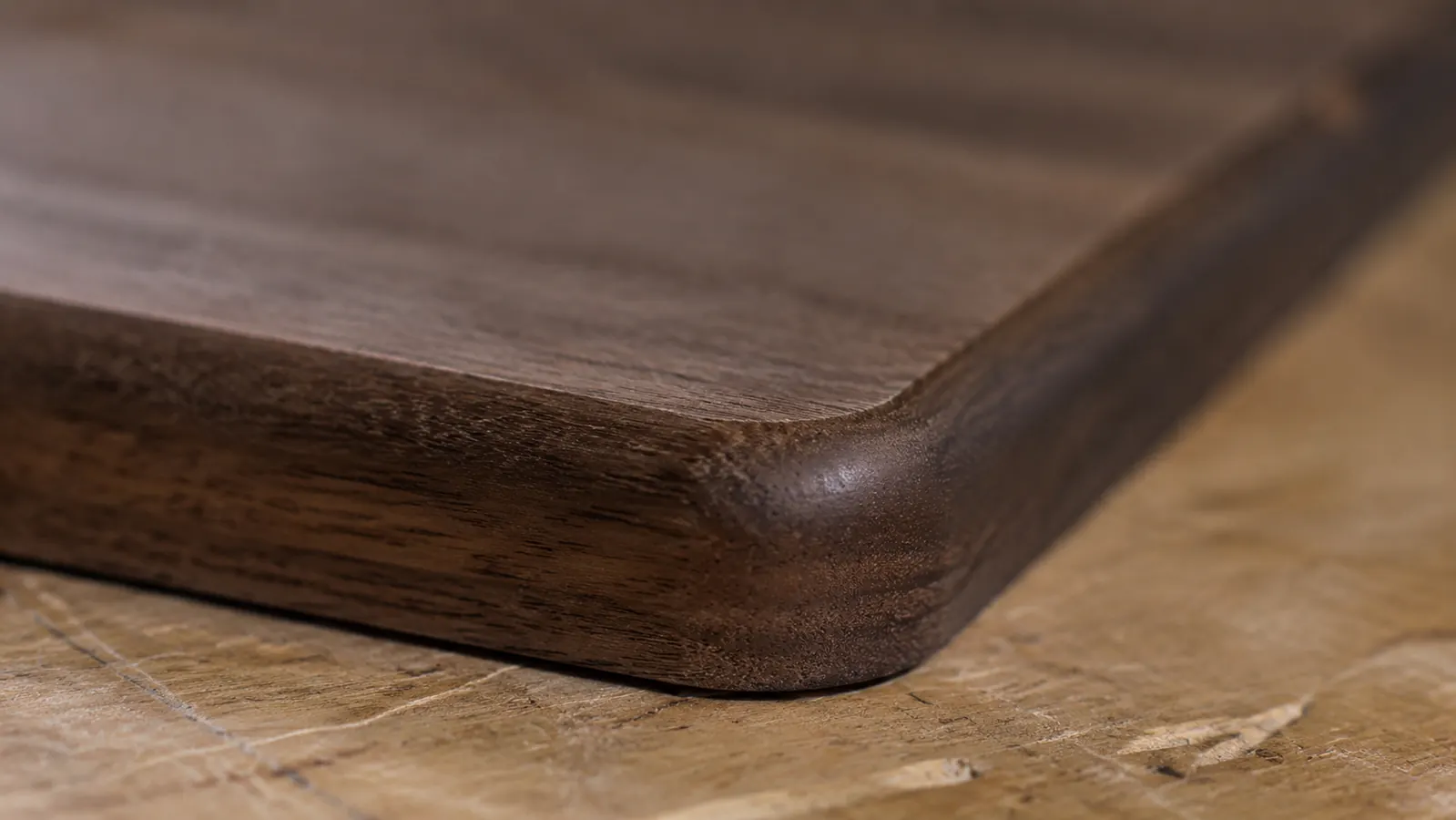
I chucked in a half-inch shank round-over bit with a bearing, set the depth with the adjustment ring (which is noticeably more precise than my old machine), and made a test pass on a piece of scrap walnut with similar grain direction. Clean. No hesitation on my part, because I was not fighting a cord draping over the workpiece. No burn, because the brushless motor held speed under load without me having to compensate. I made the pass at a moderate feed rate, not racing through it, and the profile came out exactly where I wanted it.
Then I routed the actual table. I set the depth, squeezed the trigger, and guided it along the first long edge. The cord was not there to snag. The motor did not lurch. I paused briefly at the corner to reposition my grip, and the tool just waited with me. I finished all four sides and the corners in about eight minutes. The profiles were consistent. No burn on the end grain. One very light pass with 220-grit and the round-over was ready for finish.
What I'd Tell You If We Were Sitting at My Kitchen Table
The DCW600B is not magic. You still need a sharp bit, a proper feed rate, and enough sense to take a lighter climb cut on end grain if the wood wants to tear. But the corded router I owned was making my job harder than it needed to be. The startup torque was unpredictable. The cord was a constant management problem on a workpiece you are circling around. The weight made light passes feel uncertain. The DCW600B removes all three of those friction points at once, and what is left is just the routing, which is actually a learnable skill when the tool is not fighting you.
If you have been avoiding the router for the same reasons I was, that combination of fear and past frustration, a lighter and more controllable tool matters a lot. I am not saying spend money you do not have. But if you are doing real furniture work and you have been leaving profile edges off your pieces because you do not trust yourself with a router, a tool that is this much easier to control is a legitimate fix. Not a workaround. An actual fix.
Tom eventually wanted his back. I went and ordered my own the following week. It takes the same 20V batteries I already have on my sander and my work light, so there was no new charger or battery pack to buy. It is worth reading the full long-term review of the DCW600B if you want the specifics on depth adjustment, bit compatibility, and plunge base options. And if dadoes and rabbets are on your list, I also wrote a guide on cutting dadoes and rabbets with a cordless router that covers the setup for those cuts specifically.
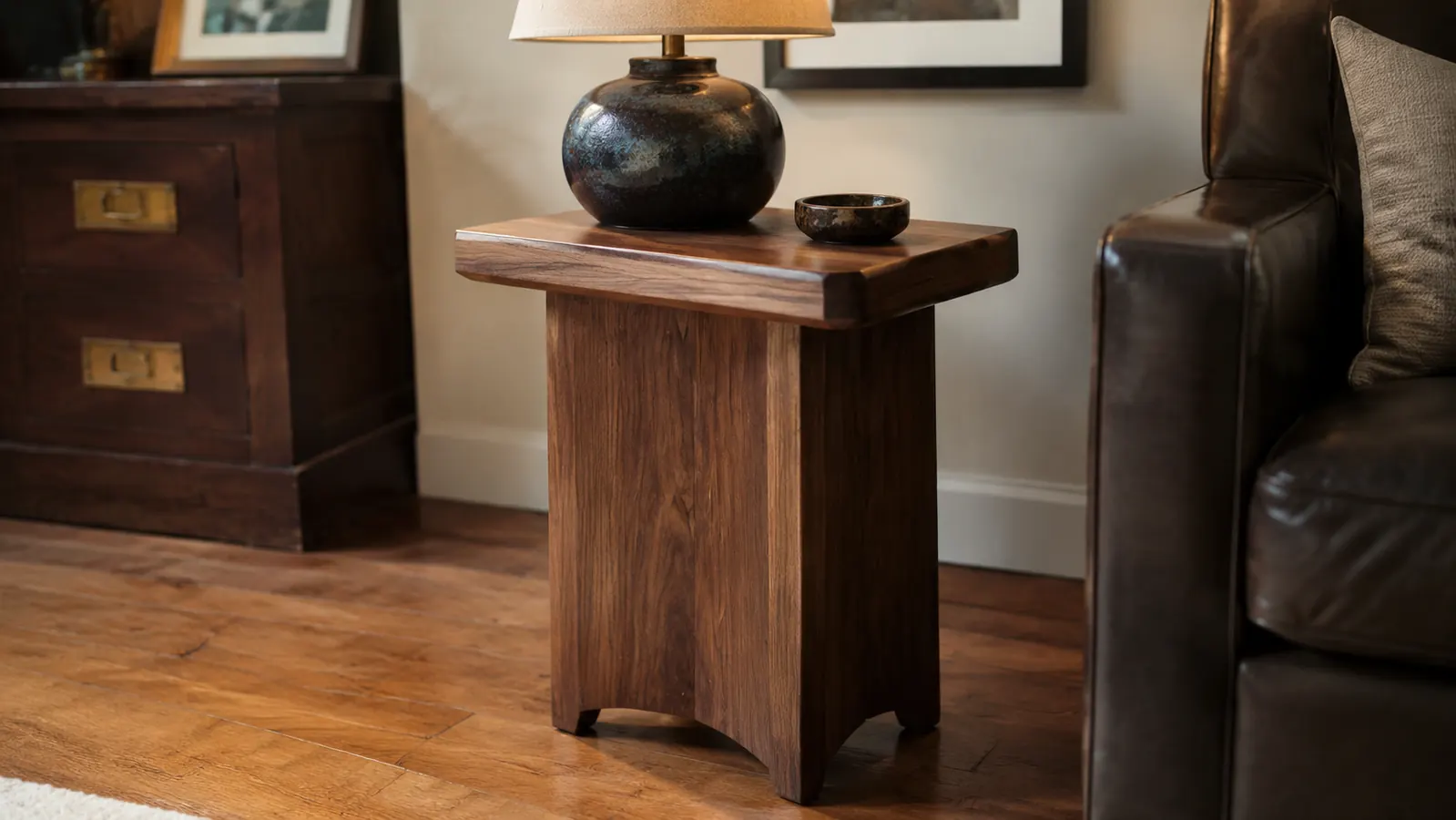
The walnut table is in our living room now. My wife likes it. I can see the round-over edges from the couch and they look right, which is not something I would have said about my router work three years ago. That is the part that sticks with me.
If chipout and burn marks have kept you off the router, this is the tool that changes that.
The DeWalt DCW600B has over 10,000 reviews and a 4.8-star rating. Brushless motor, 20V battery platform, and a noticeably smoother startup than corded alternatives at the same price point. Tool-only if you are already on DeWalt 20V.
Amazon Check Today's Price on Amazon →Still on the fence? Check today's price and see what other woodworkers are saying.
The DCW600B consistently gets called out in reviews for its smooth startup, compact size, and compatibility with plunge bases. If you are building furniture and want an edge router you can trust freehand, this is a reasonable place to start.
Amazon Check Today's Price on Amazon →